Wall Leveling in Phuket: Why the Climate Dictates the Rules in 2026
Perfectly level walls are not just about aesthetics; they are a fundamental requirement for a long-lasting renovation. In Phuket, standard tasks are compounded by a true "stress test" for materials due to the unique tropical climate. Without considering it, even the highest quality work can be rendered useless within a few seasons.
The Main Enemies of Level Walls in Phuket's Conditions:
-
Consistently High Humidity (often above 80%): Causes hygroscopic materials to swell, leads to coating delamination, and creates an ideal environment for biocorrosion.
-
Salt Air from the Sea: Accelerates the corrosion of metal elements (framing, fasteners, beacons), reducing structural strength.
-
Tropical Heat and Aggressive UV Radiation: Causes improperly selected mixes to dry out and crack, and leads to material deformation.
-
Risk of Persistent Condensation: Requires thoughtful ventilation of building envelopes.
Therefore, the key principle for any work is the consistent use of water-resistant and mold & mildew resistant materials at all stages, from preparation to finish.
Two Main Paths: The "Wet" and "Dry" Methods
The choice of technology depends on the degree of wall unevenness (level difference in centimeters), its base material (solid concrete, aerated block, brick, wooden frame), and the project budget.
-
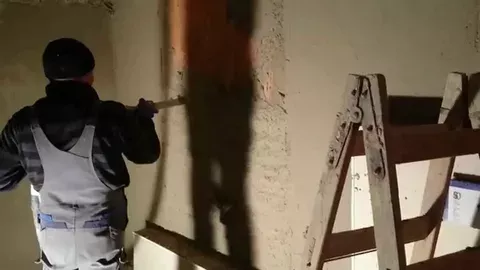
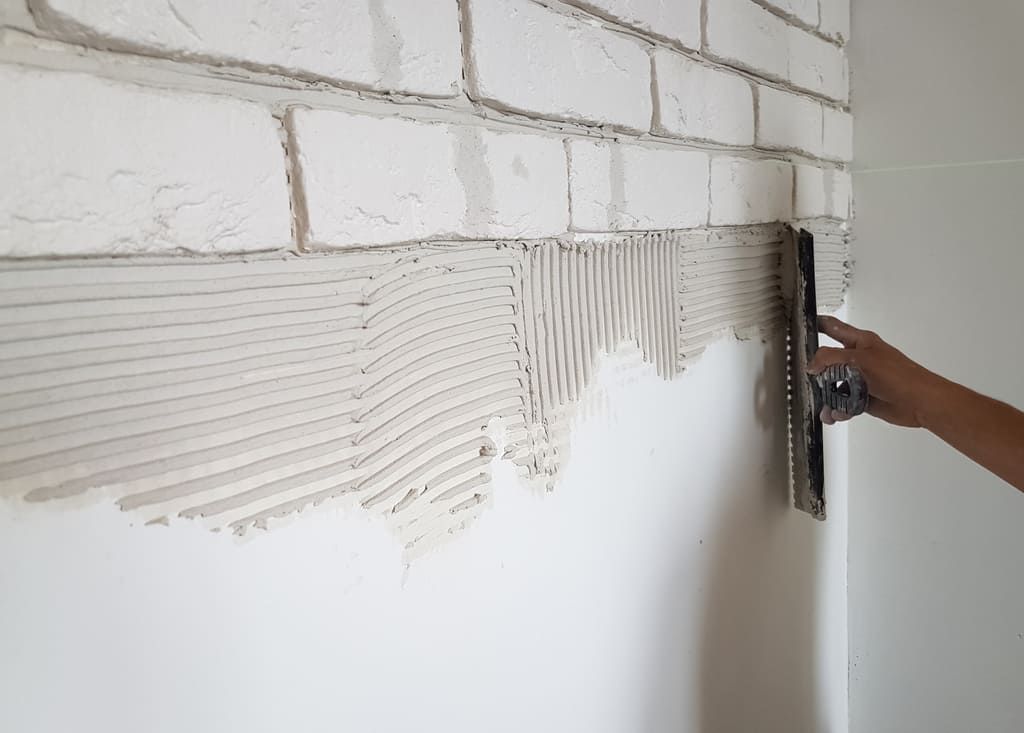
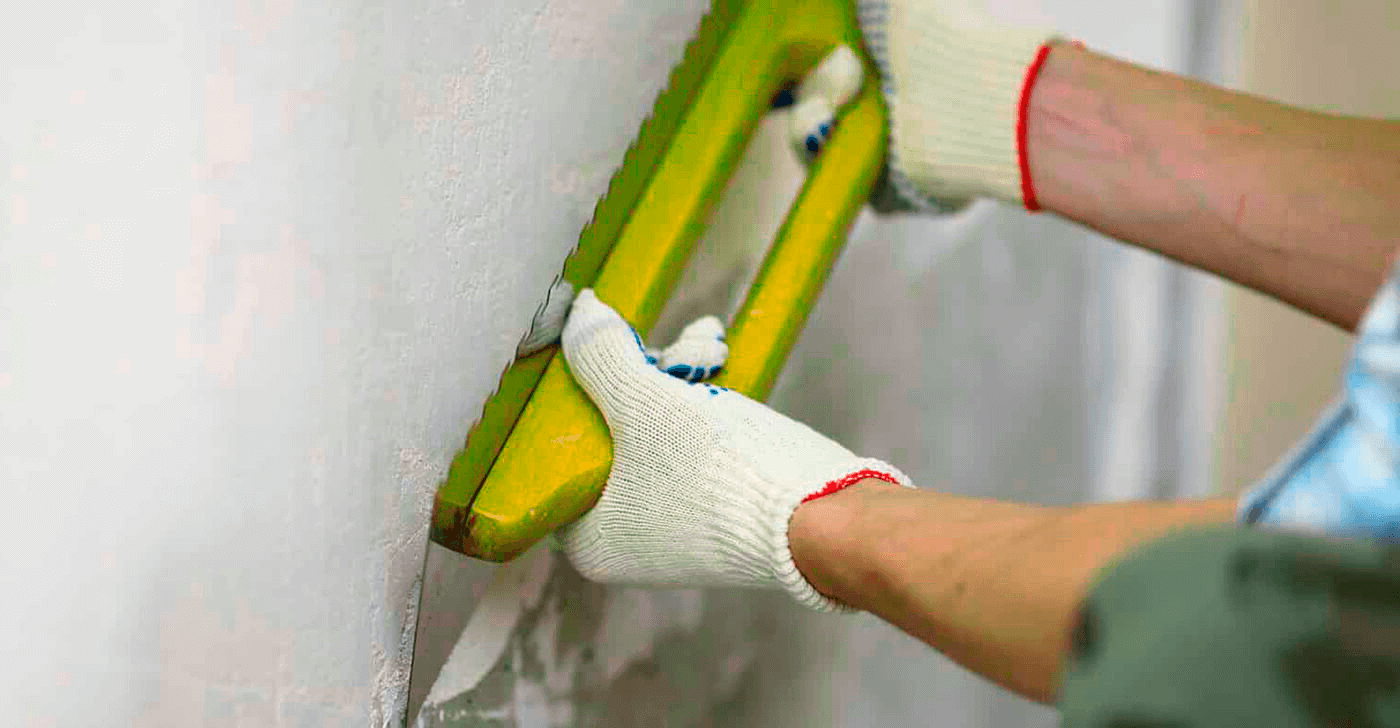
The "Wet" Method (Plaster Mixes): Ideal for relatively level concrete and brick walls with local irregularities up to 3-4 cm. Creates a monolithic, seamless coating.
-
The "Dry" Method (Sheet Cladding): The best solution for severe unevenness (from 4 cm), for hiding utilities, quick installation, and adding insulation or soundproofing. The only correct option for wooden frame houses, typical in Phuket.
Leveling with Specialized Plaster Mixes
This is a classic method requiring skill and accounting for curing time in high humidity conditions.
-
Key Stages:
-
Surface Preparation: Cleaning down to the base, treatment with an antiseptic primer deep penetration — an essential step in mold prevention.
-
Installing Beacons: To create a perfect plane, plaster beacons (guide profiles) are used. For bathrooms and seaside areas, plastic or thick zinc-coated beacons are recommended.
-
Choosing and Applying the Mix: In Phuket, cement-polymer or gypsum plasters with hydrophobic additives should be used. Look for the "for wet areas" marking. Among brands available on the island, KNAUF (Goldband) and CEMENTHA have proven reliable.
-
Finishing: Sanding and mandatory final priming before painting or tiling.
Technology 2: Leveling with Moisture-Resistant Sheets on a Frame
The most controllable and fastest method, especially for complex substrates.
The Finishing Stage for Both Methods: Taping joints using joint tape (mesh) and, again, water-resistant joint compound.
2026 Phuket Work Costs, Comparison Table, and How to Avoid Mistakes
To make an informed decision, let's compare the methods based on key parameters for the tropics.
Comparison Table of Methods for Phuket
| Criterion |
Moisture-Resistant Plaster ("Wet" Method) |
Framing with Green Board/CBPB ("Dry" Method) |
| Suitable Substrate |
Concrete, brick, block (relatively even) |
Any, including severe unevenness and wooden frames |
| Moisture Resistance |
High (with correct mix and primer) |
Very High (Green Board), Absolute (CBPB) |
| Mold Risk |
Low (with antiseptic treatment) |
Minimal (with ventilation gap) |
| Installation Speed |
Medium/Slow (drying time required) |
High ("dry" installation) |
| Space Preservation |
Maximum |
Reduces space (frame + sheet, ~5-8 cm) |
| Additional Options |
— |
Soundproofing, hiding utilities |
| Estimated Cost per m² |
From 450 THB (labor + material) |
From 550 THB (labor + material) |
Current Cost of Work in Phuket for 2026
Prices depend on complexity, volume, and ceiling height. Approximate rates from "StroyThai Phuket":
-
Plastering work using beacons: from 350 THB/m² (labor).
-
Installing Green Board on a metal frame: from 400 THB/m² (labor).
-
"Turnkey" complex (prep, leveling, priming): from 900 THB/m².
Advice: Always request a detailed itemized quote specifying the exact material brands (brand and series). This protects against on-site substitution with cheaper alternatives.
TOP-4 Mistakes That Will Ruin Your Renovation in Phuket:
-
Using standard instead of moisture-resistant materials (drywall, plaster, joint compound).
-
Saving on primers. Antiseptic primer is insurance, not an option.
-
Installing drywall flush against the wall or on a wooden frame. This will guaranteed lead to moisture accumulation and fungus.
-
Choosing a contractor without proven experience working in a tropical climate. Technologies common in Europe or Russia require serious adaptation.
Conclusion: Trust your work to companies that understand local risks and use adapted materials. "StroyThai Phuket" offers a free specialist site visit, a detailed transparent estimate, and a workmanship guarantee that accounts for the specifics of Southern Thailand's climate.