Why Phuket Requires a Special Approach to Facades
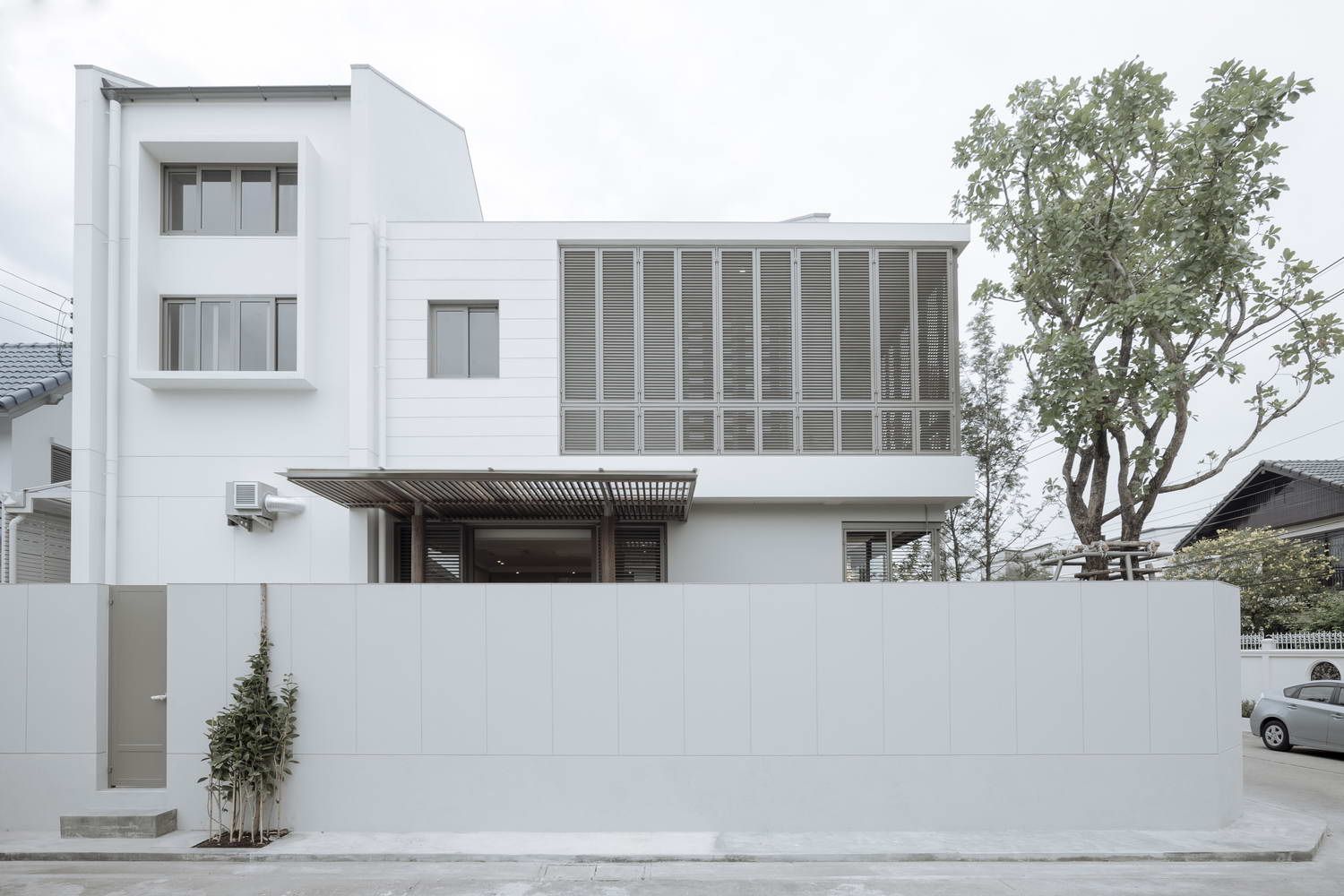
Cladding a facade with clinker tiles ceases to be merely an aesthetic choice in Phuket's conditions—it is a strategic investment in the longevity of your home. Standard solutions, such as decorative plaster, degrade 3-4 times faster in the aggressive tropical environment. The reason lies in a unique set of destructive factors:
-
Salt aerosol (salt mist): Microscopic salt particles penetrate material pores, intensifying corrosion of load-bearing elements and causing efflorescence.
-
Extreme humidity (up to 100%): Creates ideal conditions for the appearance of mold and fungus behind the cladding and leads to constant wall saturation with improper installation.
-
Intense UV radiation: Causes rapid fading of most coatings, and thermal expansion of materials requires highly elastic adhesive and grouting compounds.
Understanding this problem is the first step. The next is choosing a technology that doesn't just decorate but actively protects, removing moisture and compensating for thermal loads. This exact technology is the ventilated facade system, not the "wet" installation method.
Why a Ventilated Facade with Clinker is the Only Correct System
In Phuket's conditions, a "wet" facade is a constant risk. A ventilated system solves key problems through physical principles, not chemical additives.
Operating Principle and Advantages for the Tropics:
-
Ventilation gap (20-40 mm): Creates constant draft that dries out any condensation or incidental moisture that gets behind the cladding. This is the main enemy of mold and rot.
-
Thermal insulation circuit: A layer of insulation (e.g., stone wool Rockwool) on the outside of the load-bearing wall shifts the dew point from the structure into the insulation, where moisture is removed through the gap. This prevents wall dampness and reduces air conditioning costs by 25-30%.
-
Mechanical strength: The aluminum substructure is designed for the high wind loads characteristic of the island. Clinker tiles are fastened with special brackets, preventing detachment.
Comparison with Other Materials in the Long Term (15-year period):
| Material |
Installation Cost (THB/m²) |
Required Maintenance |
Total Cost Over 15 Years* |
Risks for Phuket |
| Clinker on VFS |
1,600 – 2,800 |
Virtually none |
1,600 – 2,800 THB |
Minimal. |
| Decorative Plaster |
500 – 900 |
Repainting/repair every 5-7 years |
~1,800 – 2,500 THB |
Fading, cracking, waterlogging. |
*Without accounting for inflation. It is evident that the initially expensive system proves more cost-effective.
What Constitutes the Final Cost in 2026?
The cost is the sum of material prices, labor costs, and correct technological solutions. Here is a current breakdown for 2026.
1. Cost Structure (approximately in THB per m²):
-
Materials: Clinker tile (350–1,200) + Aluminum substructure with fasteners (250–400) + 50 mm insulation (150–250) + Weather-resistant membrane (50–80) + High-performance adhesive and salt-resistant grout (150–300).
-
Labor: Installation of the substructure, insulation, and tiles — from 550 to 900 THB/m². Complexity (bay windows, cornices) increases the price.
Total: from 1,600 to 2,800+ THB/m² "turnkey".
2. What You Should Not Skimp on in Phuket:
-
On the substructure: Only certified aluminum profile with anti-corrosion coating.
-
On insulation: Only non-combustible stone wool (vapor-permeable, not afraid of moisture in a VFS).
-
On fasteners and chemicals: Adhesive with the highest adhesion (Mapei Granirapid) and epoxy or furan grout, resistant to salt and fungus.
Conclusion:
Choosing clinker tiles on a ventilated facade for Phuket is a conscious choice in favor of zero maintenance, energy efficiency, and timeless aesthetics. It is a capital investment that pays off over decades of worry-free operation and increases property value.
Need an accurate quote for your home?
Send us your facade plan. Our technical specialist will prepare a detailed estimate tailored to the specifics of your plot in Phuket, select materials from our warehouse, and calculate delivery logistics to your site—all free of charge.