How to Protect a Seaside Property in Phuket: Engineering Solutions in Harmony with Nature
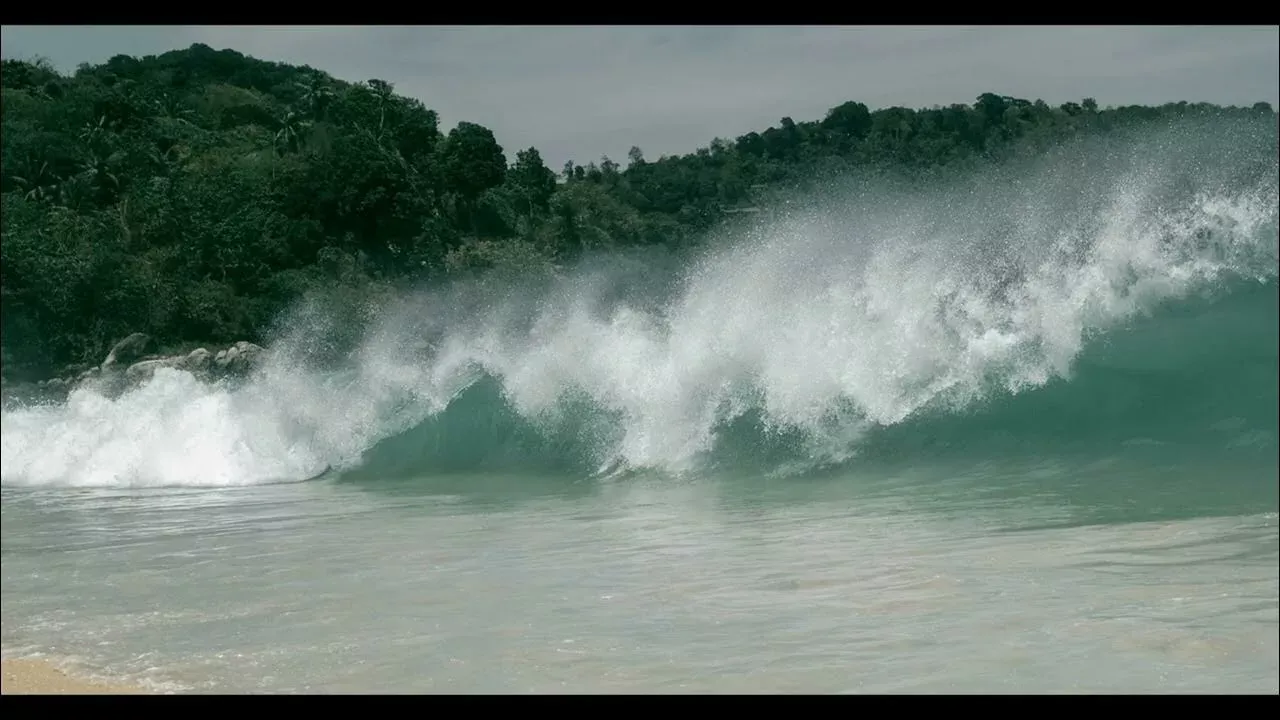
Each rainy season, Phuket's coastline undergoes a serious trial. What appears to tourists as a temporary inconvenience—a narrowing beach strip or minor flooding—presents an engineering challenge for the owner of a coastal property. The search queries about the island's beaches often reflect a subconscious quest for stability and predictability. The goal of competent shoreline stabilization is not to declare war on the elements, but to redirect their force. It is the art of managing water's energy, not trying to halt it. Much like a skilled physician who treats the cause of an ailment rather than its symptoms, effective land protection begins with understanding the processes at the land-sea boundary.
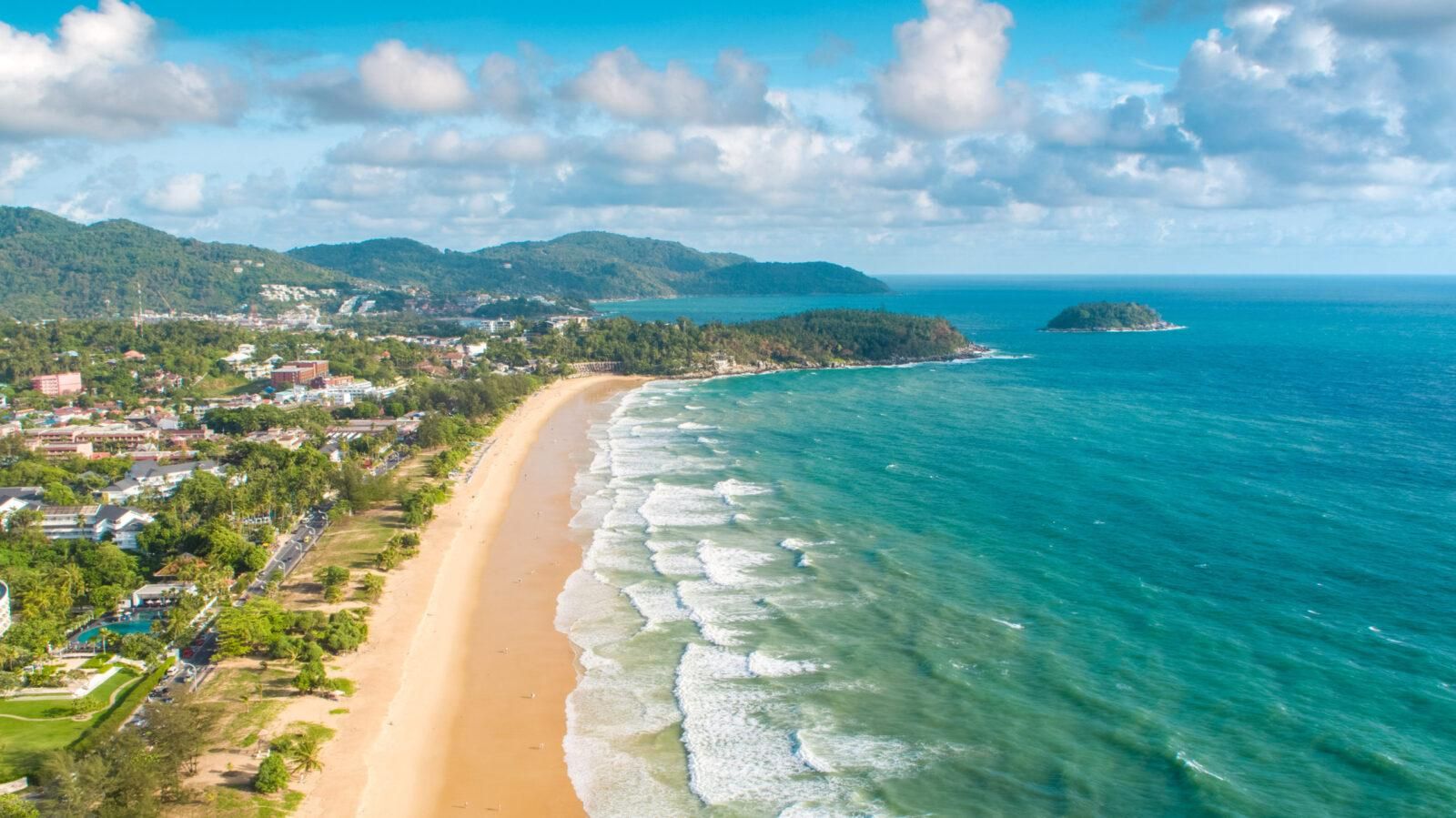
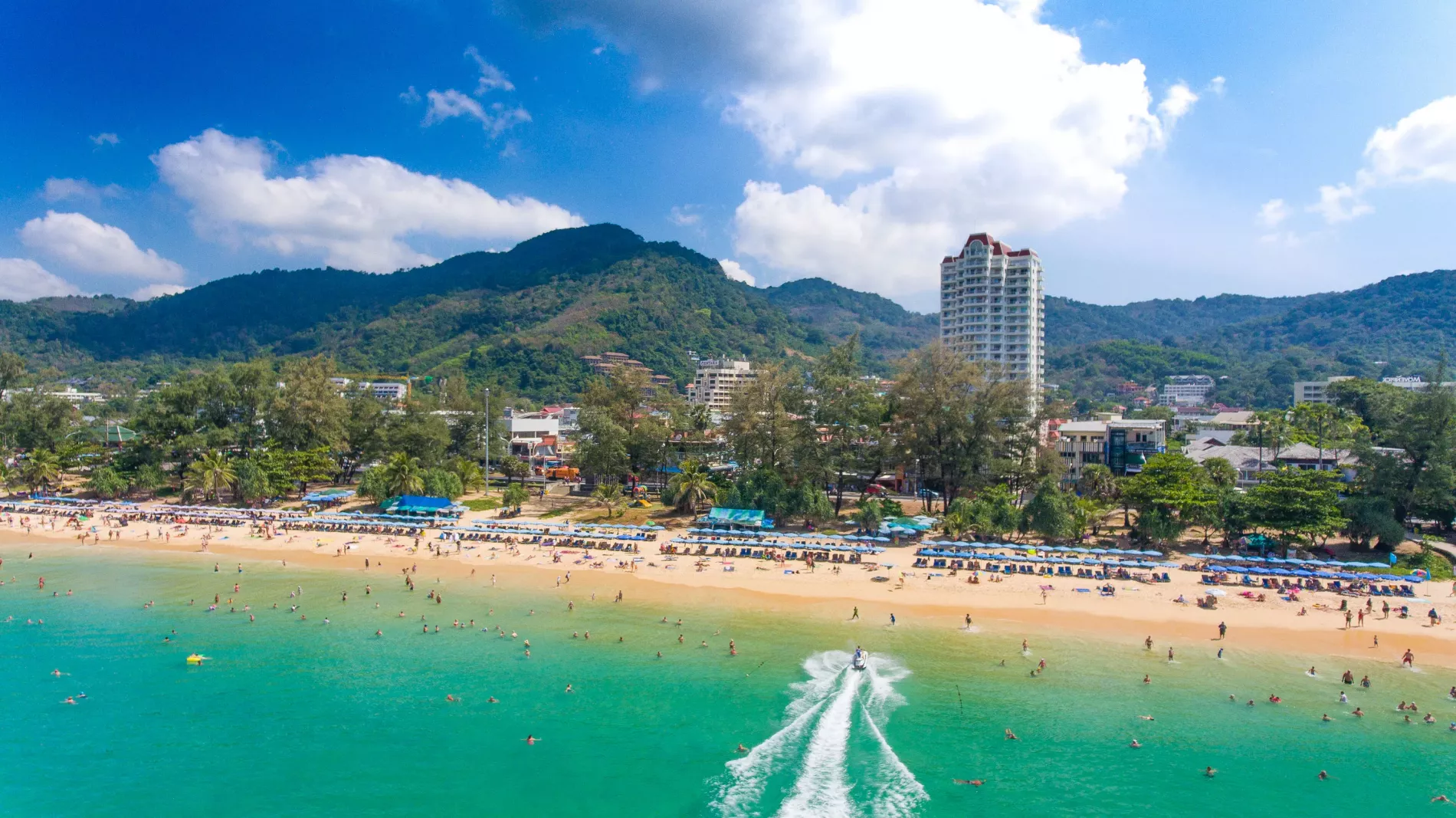
The history of Karon Beach is a prime example of this evolving approach. Several years ago, the standard solution to combat erosion was installing massive concrete walls. However, this rigid, unyielding structure often backfired: waves reflecting off the monolithic barrier would vigorously scour the sand at its base and on adjacent plots, merely shifting the problem down the line. This was a lesson showing that fighting nature is a dead end. Modern methods, in contrast, strive for synergy.
Today, the key principle is working with natural processes, not against them. It can be compared to the practice of biomimicry, where technological solutions copy strategies perfected by living nature over millions of years. Instead of building an impenetrable fortress, it is more effective to create an intelligent system that dissipates the wave's force, allows water to pass through, and enables the ecosystem to adapt. This principle, tested in public spaces, is perfectly suited for private properties where sustainability and longevity are especially important.
Technologies and Their Application for Private Land
One of the most effective solutions implemented at Karon is submerged breakwaters in the form of artificial reefs made from special porous concrete. Their task is not to reflect, but to dissipate the energy of an incoming wave before it reaches the shore. This reduces the kinetic force of the water, which then impacts the coastline with less intensity. An additional stabilizing layer is provided by geotextile—a high-strength synthetic material laid beneath the sand. It prevents particles from washing deeper, reinforcing the beach foundation much like a root system holds soil.
These large-scale technologies are adapted for private plots into more accessible yet equally effective solutions. It all starts with competent diagnostics. Observing how water behaves on your land during high tide and after a downpour is the first step. Where do the streams flow? Where does the soil subside? The answers will define the strategy.
For a scenario where the problem is just emerging, the best "prevention" is proper land grading and planting vegetation with a powerful root system. Plants are natural engineers whose roots create a reinforcing network in the soil. If erosion is already visible, gabions come to the rescue—mesh containers filled with stone. Their key advantage is flexibility and permeability. They absorb and dampen wave energy without fracturing and, over time, become part of the landscape as vegetation takes hold. In the most severe cases, where clear demarcation and reinforcement of the boundary are required, sheet piling is used—a row of tightly interlocked plastic or steel profiles.
Practical Steps and the Final Choice
The choice of a specific technology depends on three factors: the condition of the shoreline, soil type, and budget. The first practical step should always be analysis: a consultation with an engineer who will assess the slope, soil composition, and water dynamics. This will save significant costs in the long run by allowing for a targeted, rather than a one-size-fits-all, solution. The second step is planning around seasonality: stabilization work is best carried out during the dry season when the groundwater level is lower.
It's important to remember that your property is part of a larger ecosystem. Actions on one piece of land inevitably affect neighboring ones. Therefore, a solution that merely deflects water, transferring the problem elsewhere, is fundamentally flawed. It is far more effective to use solutions that absorb, filter, and slow down flows. This approach not only protects your land but also contributes to the resilience of the entire coastline.
Ultimately, protecting a seaside property is an investment in its long-term value and your peace of mind. It is not a one-time act of pouring concrete, but the creation of an adaptive, living system. The technologies that allow Phuket's public beaches to maintain their appeal year after year are the same ones that can preserve the meters of your own land. The key takeaway is that the most durable solutions are those that cooperate with the laws of nature, rather than defy them. Before choosing a material, choose a philosophy: not conquest, but intelligent interaction with the elements.