The Price Tag is More Than Just a Bed and Breakfast
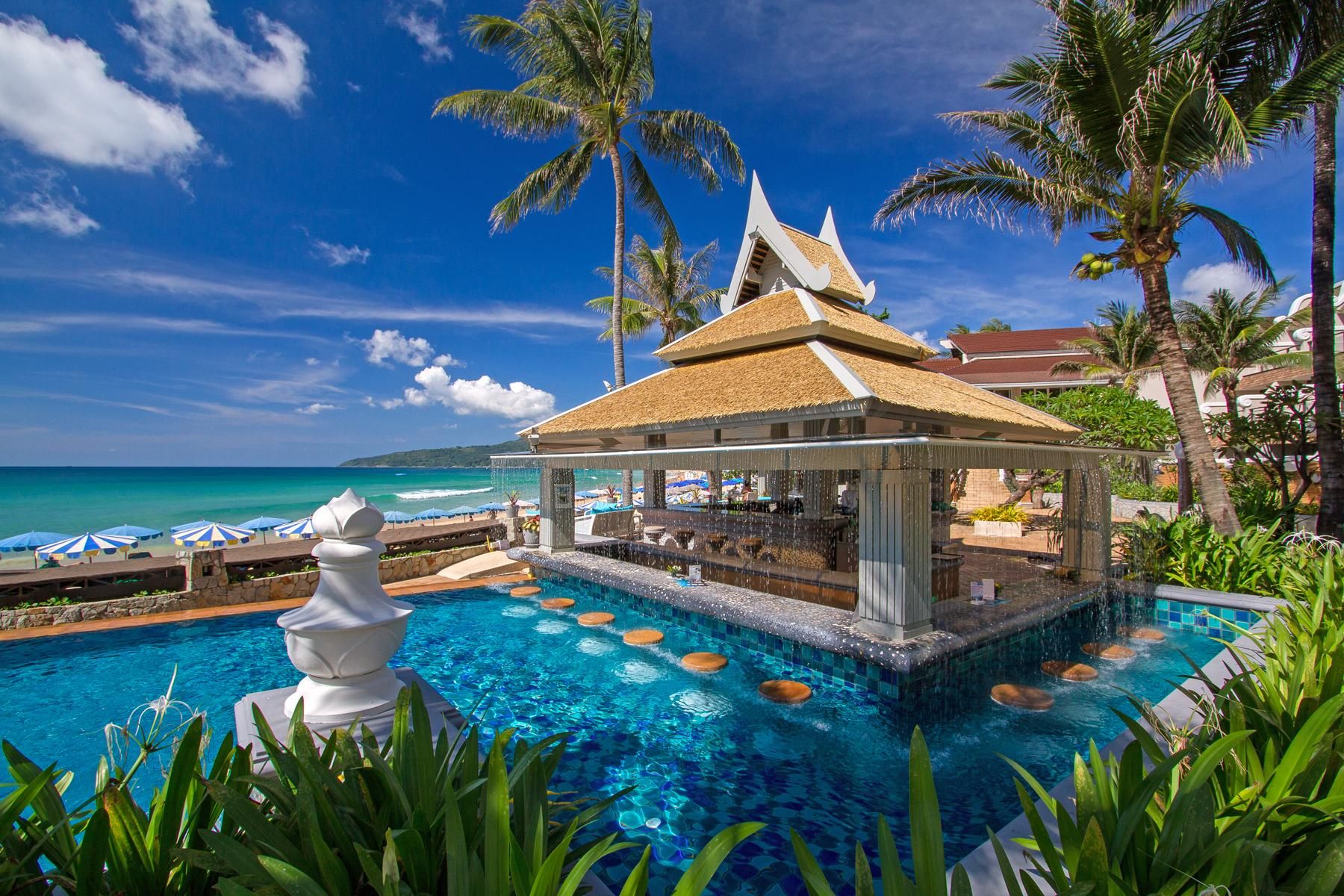
Millions of tourists search for Phuket hotels, Phuket resort, or beach resort Phuket every year, often surprised by the vast price range. The difference between a modest guesthouse and a five-star resort can be tens of thousands of baht per night. The explanation lies not only in service level, ocean views, or pillow count but in what remains unseen. The cost is built into the foundation, walls, and engineering systems. Essentially, you are paying for the construction technologies and materials that allow the hotel to exist in an aggressive tropical climate, withstand colossal operational loads, and look brand new for decades. Understanding these principles is key not just to choosing a vacation spot, but to planning a competent renovation of your own property in Phuket.
The Foundation of Durability: Why Hotels Don't "Float Away
The panoramic lobbies and infinity pools we see in photos start with what's hidden underground. Phuket's geography is one of sandy beaches, silty soil, and hilly terrain. Building on such a foundation is a complex engineering challenge.
-
Piles, Not Strip Foundations. Virtually all major beachfront hotels and resorts are built on bored piles, driven 15-30 meters deep to reach stable ground. This is a costly but essential technology preventing subsidence and structural deformation.
-
Seismic Resilience. Thailand, including Phuket, is seismically active. Modern hotel frameworks are designed accordingly, using monolithic reinforced concrete structures and steel space frames capable of damping vibrations. In contrast, private homes are often built using simpler, cheaper frame technologies.
-
Drainage as a Life Support System. During the rainy season, a month's worth of rain can fall in a day. A hotel's infrastructure includes not just gutters, but a comprehensive drainage system with collectors, settling tanks, and pumps capable of instantly diverting huge volumes of water. Without it, the foundation would erode, and the grounds would turn into a swamp.
Practical Takeaway for Property Owners: If you're planning construction or an extension, a geotechnical survey is not a line item to save on—it's a necessity. Investing in a proper foundation and drainage will save you from far more expensive repairs in the future.
The Un-aging Materials & The Engineering of Comfort
Materials That Don't Age: Tactile Feel and Hidden Strength
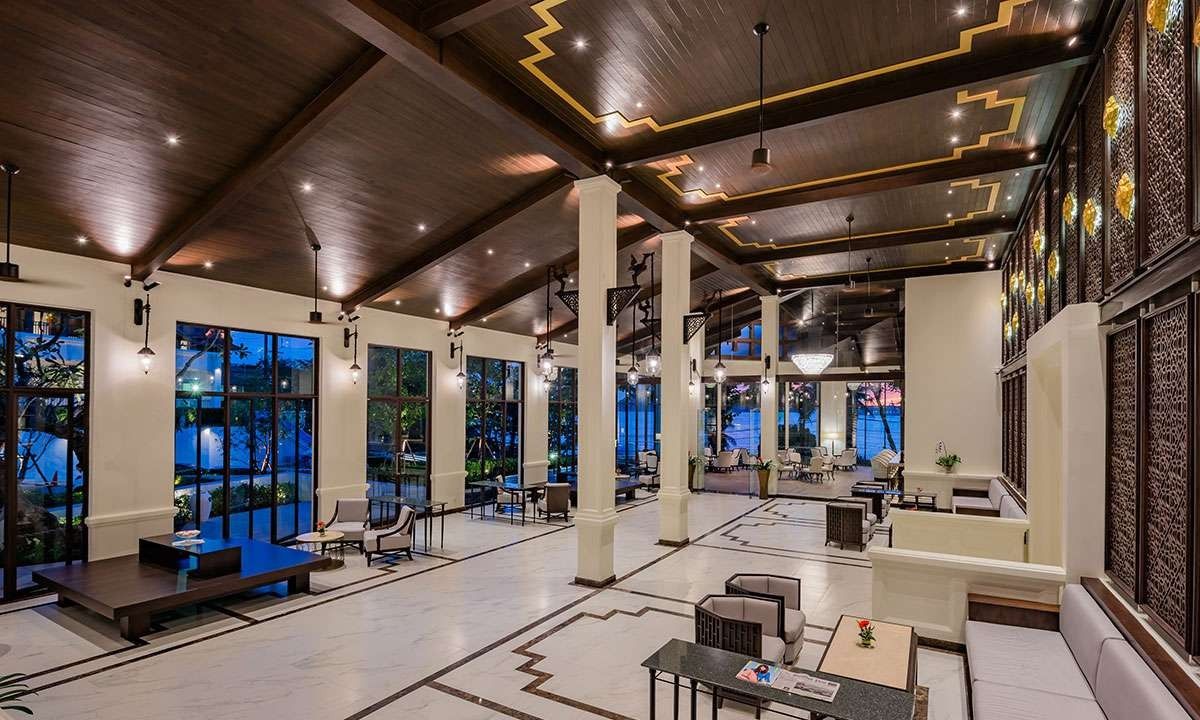
Stepping into the lobby of a premium hotel, you feel the cool stone underfoot, see flawless walls, and sense impeccable cleanliness. This is the result of choosing specific, often expensive, materials.
-
Public Areas: 100% Wear and Tear.
-
Floors: Laminate or cheap tile isn't used here. The standard is natural stone (granite, marble) or high-wear-resistance porcelain tile (PEI Class V). They are polished to a mirror finish, and joints are grouted with epoxy grout, resistant to mold and chemicals.
-
Walls: Ventilated facades or mineral-based decorative plasters (like Marmorino) are often used, as they withstand moisture and are easy to clean.
-
Guest Rooms: Balancing Aesthetics and Practicality.
-
The Bathroom – Epicenter of the Fight Against Moisture. Walls and floors are clad with large-format tiles to minimize grout lines—potential mold hotspots. Plumbing fixtures are exclusively from premium brands (Grohe, Hansgrohe, Duravit), known for reliable ceramic mechanisms and coating resistant to limescale. All hidden engineering connections use reliable compression fittings, not cheap rubber gaskets.
-
Finishes: Top-tier rooms may feature moisture-resistant teak parquet or engineered wood. Walls are painted with washable paints or covered with breathable vinyl wallpapers.
-
Furniture and Textiles. Upholstery uses fabrics with antimicrobial and water-repellent treatments. Mattresses have removable, temperature-regulating toppers, and curtains feature a dense blackout layer.
Practical Takeaway: Renovating your condo or villa doesn't require copying hotel standards exactly, but understanding the logic behind material selection is invaluable. For example, using moisture-resistant drywall (Green Board) in bathrooms, porcelain tile on the terrace, or installing a faucet with a ceramic cartridge are direct investments in longevity, borrowed from the hospitality industry.
The Engineering of Comfort: Systems That Work 24/7 Without Failure
The real magic of expensive hotels lies in the invisible systems that enable modern comfort.
-
Climate Control. This isn't just split systems in each room. It's a central chiller-fan coil system or a VRF (Variable Refrigerant Flow) system, allowing for independent, precise temperature control in hundreds of rooms simultaneously while remaining energy-efficient. Filters in such systems clean the air of dust and allergens and maintain optimal humidity.
-
Water Treatment. Water entering the hotel undergoes several purification stages: mechanical, chemical, and UV sterilization. For pools, not just chlorination is used, but combined systems (ozonation + UV + minimal chlorine dosage), making the water safe yet gentle on skin and eyes.
-
Building Management System (BMS). The hotel's brain. This computer system controls energy consumption, lighting, air conditioning, fire and security alarms in real-time. It also ensures, for example, that the AC in a room turns off automatically when the balcony door opens, saving energy.
Practical Takeaway: A full-scale BMS is overkill for a private home, but some solutions are accessible. Installing a smart pool controller for remote filtration and heating management, or a multi-split system serving several rooms from one outdoor unit are examples. Proper electrical wiring with RCDs and circuit breakers follows the same principle of safety and reliability as in hotels.
From Hotel Standards to Your Home: A Checklist for Smart Investments
From Hotel Standards to Your Home: A Checklist for Smart Investments
Transferring the entire logic of a commercial project to a private residence is neither necessary nor wise. But the key principles can and should be adapted.
-
Priority #1: Moisture. Start any renovation by solving hydro- and vapor-insulation issues. A high-quality waterproofing membrane in bathrooms and on terraces is the absolute foundation.
-
Choosing "Critical" Materials. You can save on decorative finishes, but not on materials responsible for structural integrity and utilities: pipes, electrical cables, fittings, tile adhesive, and grout.
-
Climate Over Design. Choose finishes not just by color, but by technical specifications: UV resistance (to prevent fading), high abrasion class (for floors), vapor permeability (for walls).
-
Professional Installation. The most expensive material, installed incorrectly, won't last. This is especially true for electrical, plumbing, and glazing work.
Conclusion: The Price is a Story Written in Concrete, Stone, and Engineering Systems
Next time you browse pages for hotels in Karon Phuket or choose a Phuket beach resort, you won't just see pretty pictures. You'll see a complex engineering organism, each element calculated for long service in the tropics. This deep integration of reliable construction materials and technologies shapes the final cost of your stay. And it is this knowledge, applied to your own renovation or construction, that will help you make life in Phuket truly comfortable, safe, and durable, avoiding common mistakes and unnecessary expenses. After all, your home is your personal resort, and it deserves to be built with the same attention to detail.