
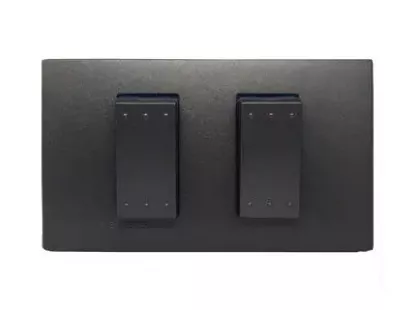
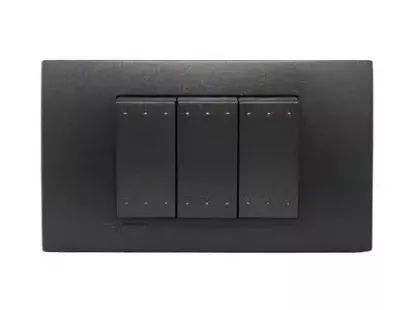
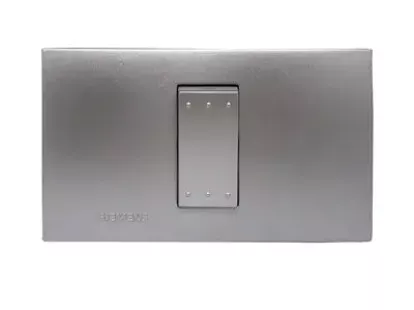
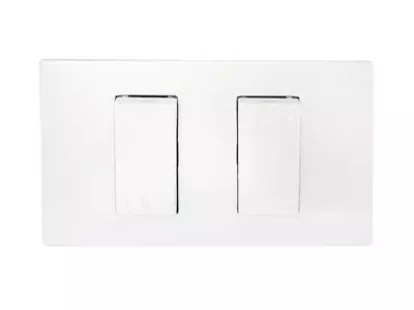
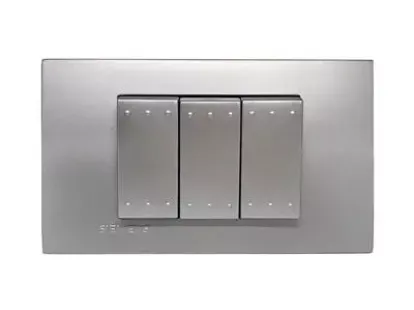
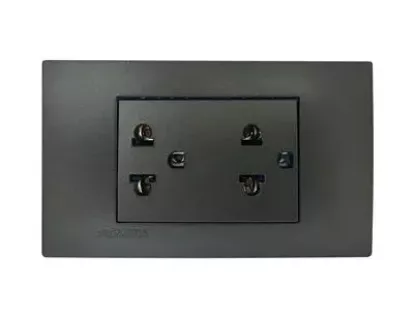
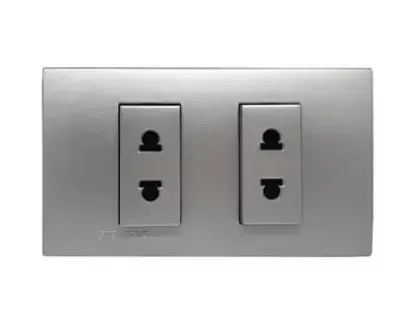
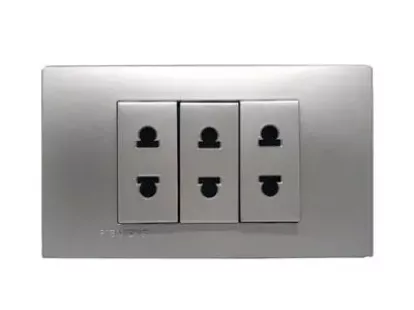
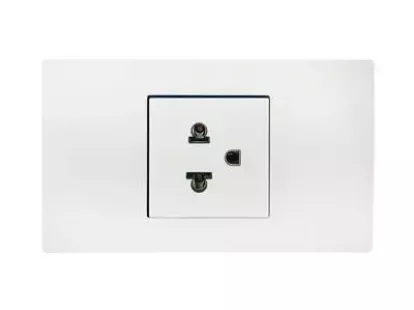
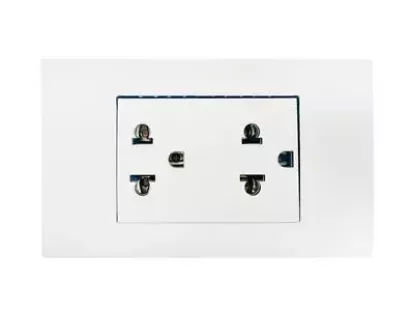
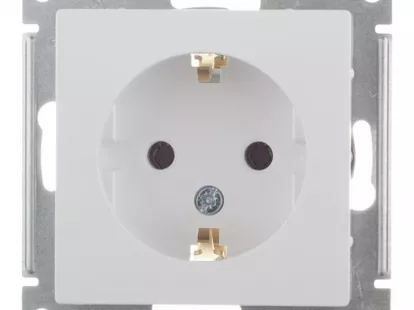
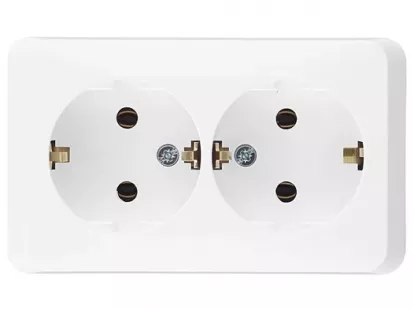
The Thai market features three main price and quality segments:
-
Premium segment (European brands): Schneider Electric (Thailand), Legrand (Thailand), ABB, Siemens.
-
Pros: Highest quality materials (brass, bronze), resistance to heat and humidity, full compliance with international standards (ISO, TISI), wide design range, best safety and longevity (15-25 years). Ideal for critical installations and wet areas.
-
Cons: High price.
-
-
Mid-range segment (Quality Asian and Thai brands): Panasonic, CLIPSAL by Schneider Electric (line for Asia), "Local Thai Brand" (locally produced analogues).
-
Pros: Good price-to-quality ratio, adaptation to the local grid (220V, Type A/F), sufficient moisture protection (IP44), acceptable design. A reliable choice for most living spaces.
-
Cons: Shorter service life (8-12 years), possible use of less durable composite materials.
-
-
Budget segment (Inexpensive Chinese brands): Many no-name or local market brands.
-
Pros: Very low price.
-
Cons: Low-quality materials (brittle plastic, quickly oxidizing contacts), poor protection against humidity and UV rays, risk of overheating and fire, non-compliance with safety standards. Not recommended for regular use, especially in Phuket.
-
General recommendation for Phuket: For bathrooms, kitchens, outdoors – only moisture-resistant models (IP44-IP65) from the mid-range or premium segment. In living rooms, good Thai mid-range brands can be used. Avoid the cheapest Chinese products for critical installations.