
Choosing for Phuket is a balance between aesthetics, functionality, and unprecedented resilience to an aggressive environment.
1. General recommendations by property type:
-
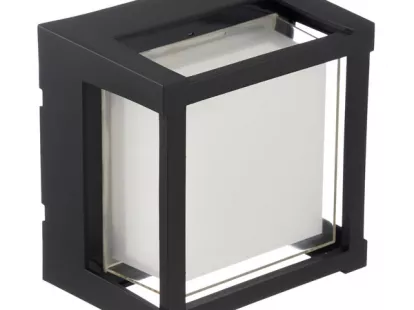
Private Villa / Townhouse: A combination of bollard fixtures for paths (IP65), wall-mounted at entrances and parking areas, recessed pool lighting (IP68), and accent landscape fixtures. Automation (motion sensors, photocells) increases convenience and safety.
-
Hotel / Restaurant: Focus on facade and architectural lighting to create ambiance. Road lighting must be even and comfortable for guests. Professional lighting design is essential.
-
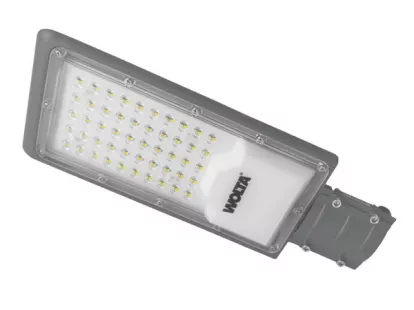
Commercial property (parking lot, warehouse): Priority is safety and uniform illuminance. Powerful post-top or wall-pack LED fixtures with high luminous flux are used.
2. Key technical parameters for Phuket:
-
Protection Rating (IP): Absolute minimum — IP44 for areas sheltered from direct rain (under eaves). For most outdoor tasks — IP65 (protection against water jets) or IP66 (against powerful jets). For ground/pool — IP67/IP68.
-
Housing Material: Aluminum alloy with powder coating, cast steel, stainless steel. Avoid thin stamped metal and low-quality plastic.
-
Color Temperature: For comfort and insect deterrence — neutral white light (4000-5000K). For creating coziness in relaxation areas — warm white (2700-3000K).
-
Luminous Flux (Lumens): Determines brightness. For path lighting: 100-200 lumens per meter, for perimeter security: from 1000 lumens per fixture.
3. Manufacturer recommendations:
-
International premium brands: Philips, Osram, Thorn, Cree. Their products are designed for harsh conditions, have certifications, long service life, and warranty. Pros: Reliability, stable performance. Cons: High price.
-
Quality Asian/local brands: There are reputable Thai manufacturers and suppliers offering good value for money with adaptation to the local climate. Pros: Better pricing, availability. Cons: Requires checking real reviews and specifications.
-
What NOT to choose: No-name or ultra-cheap fixtures (often from China without quality control). Their IP rating may be fictitious, materials non-durable, and electronics unreliable, leading to frequent failures and safety risks.