Cable and wire buy in Phuket: best prices online, delivery throughout Thailand

Cable and wire

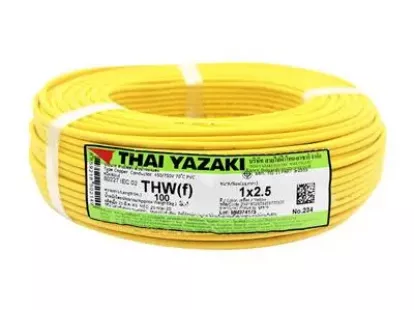
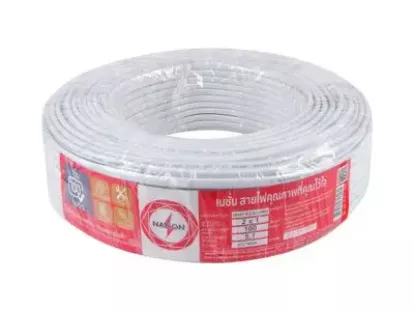
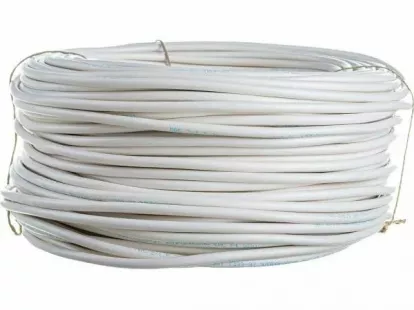
PVA Electrical cable 2x1.5 for 2 450฿ (ID:79382)
PVA Electrical cable 2x1.5
Specifications Product Type: Mounting Wire Article number: TH-4630017848485 Brand: ThaiCable Cable Brand: PVS Cable type: Flexible Mounting...
Price for pcs 2 450 ฿
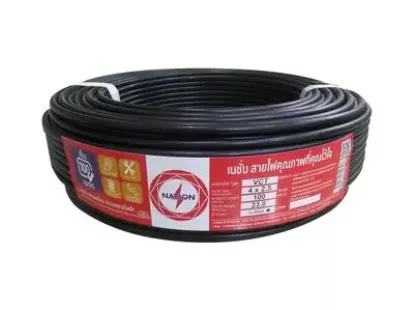
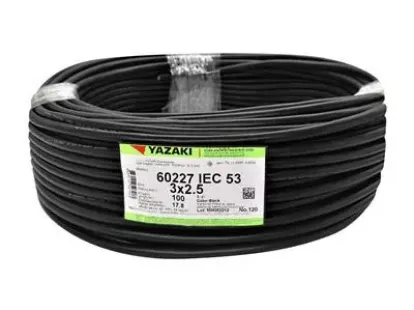
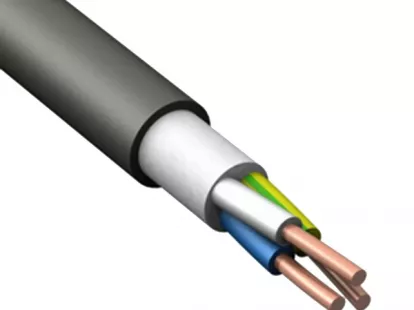
Cable VVGng(A)-LS 3x2.5 (100 m) for 3 200฿ (ID:79381)
Cable VVGng(A)-LS 3x2.5 (100 m)
Specifications Product Type: Power Cable Article number: TH-202 Brand: ThaiPower Cable Brand: VVG Type of execution: NG(A)-LS Number of cores: 3...
Price for pcs 3 200 ฿

Frequently Asked Questions

What cable and wire are needed for outdoor work and connecting an air conditioner in Thai climate conditions?

For outdoor work and climate control equipment, the requirements are extremely strict.

1. For external installation (on the facade, underground, for outdoor lighting):

  • Type: Only armored or specially protected cable. For example, AVBbShv (aluminum, with steel tape armor, in a PVC protective sheath) or its copper equivalent VBbShv.

  • Key properties: Protection from ultraviolet rays (UV-stabilized sheath), moisture protection (optimally IP68 for underground), corrosion resistance. For the overhead service drop to the house, SIP is used.

  • Manufacturers: Only reliable brands whose products are certified for tropical climates.

2. For connecting an air conditioner (split-system):

  • Type: A separate cable run from the electrical panel. Copper cable VVGng-LS is recommended.

  • Cross-section: Depends on power (usually 2.5 mm² or 4 mm²). The exact cross-section should be determined by an electrician.

  • Features: Must have a grounding conductor (3 conductors: phase, neutral, ground). The cable must withstand constant heat. Installation only in a flexible conduit.

General recommendations for Phuket:

  • Underground laying: Use cable with a sealed sheath and armor.

  • Laying in direct sunlight: Only with "UV-resistant" marking.

  • Installation: Trust only licensed electricians who know local regulations (TIS). They will select the correct cross-section and type of cable, calculate the load, and install RCDs.

  • Pros of using specialized cable products – uninterrupted operation of equipment and no wiring problems for many years. Cons – high cost of materials and labor, but it is an investment in the reliability and safety of your home.

How to decode cable markings and what key parameters to look for when buying in Phuket?

The marking is the cable's passport. Let's break down the example of a popular VVGng-LS 3x2.5:

  • Absence of "A" at the beginning: Copper conductor (if it were "A" – aluminum).

  • First V: Insulation of each conductor is PVC.

  • Second V: External sheath is PVC.

  • G: No armor ("bare"), for internal installation.

  • ng-LS: Flame retardant (нг) with low smoke emission (Low Smoke). A key parameter for safety!

  • 3x2.5: Three conductors with a cross-section of 2.5 mm² each.

Parameters for selection in Phuket:

  1. Conductor cross-section (mm²): Determines the load. For sockets – from 2.5 mm², for lighting – 1.5 mm², for a hob – 4-6 mm². It's better to take with a margin.

  2. Insulation material: PVC – standard. Cross-linked polyethylene (АПвВ, NYY) – more expensive, but more resistant to heat and moisture, lasts longer.

  3. Fire safety class: ng-LS – minimum. For wooden structures or panels – ng-HF.

  4. Manufacturer: We recommend trusted brands: Prysmian (Ducab), Nexans, Thai Cable Group, or quality local ones (Siam Cable). Avoid no-name Chinese goods – savings can lead to fire.

Pros of the right choice – longevity and safety. Cons – the price of a quality cable is higher, but this is not where you should save.

What is the main difference between a cable and a wire, and what should you choose for concealed wiring in a house in Phuket?

The main difference is the level of protection. A wire is one or more insulated conductors, which may have a light external wrapping. A cable is one or more insulated conductors, necessarily enclosed in a strong protective sheath (sometimes with armor), which protects against moisture, mechanical damage, and aggressive environments.

For concealed wiring in walls in Phuket, you ALWAYS use a CABLE. Reasons:

  • Climate: High humidity and salty air require double protection. A cable with insulation and a sheath made of PVC or, better, cross-linked polyethylene (XLPE) is recommended, as these are resistant to moisture and fungus.

  • Safety: For residential premises, cables with low smoke emission are mandatory – ng-LS (low smoke) or halogen-free fire-resistant ng-HF. This can save lives in a fire.

  • Conductor material: Copper cable (e.g., VVGng-LS) is the standard for sockets and lighting. It is more reliable and durable than aluminum (AVVG) in humid conditions.

Recommendations by housing type:

  • Apartment/Condo: Copper cable VVGng-LS or NYM.

  • Villa/Townhouse: For the overhead service drop from the pole – SIP (self-supporting insulated wire). Inside – the same cables, but for high-power consumers (pool, sauna), a larger cross-section and separate circuits with RCDs are required.